MedlonUploaded:2026-04-17Browse:924
This article explores how design complexity significantly impacts the pricing of power blade connectors, drawing on the expertise of Medlon, a leading power blade connector manufacturer. Design complexity encompasses elements such as pin count, specialized materials, environmental protection, and customization, which collectively drive up costs through increased engineering, tooling, materials, and quality assurance efforts. The article details how each layer of complexity—from advanced features to compliance requirements—adds to the final price, using real-world project examples and a comparison table to illustrate these effects. It also discusses the growing demand for complex connectors in sectors like electric vehicles and highlights Medlon’s commitment to innovation and cost-effective manufacturing. Finally, the article offers actionable recommendations for balancing complexity and cost, emphasizing early collaboration, modular design, and prioritization of essential features. In summary, understanding and strategically managing design complexity is crucial for achieving reliable, high-performance power connector solutions while controlling expenses.
As technology advances and the demand for reliable electrical connections rises, the role of power connectors—especially power blade connectors—has never been more crucial. Medlon, a leading power blade connector manufacturer, stands at the forefront of this evolving landscape, offering innovative solutions tailored to the needs of diverse industries. A topic of growing interest among manufacturers and clients alike is how design complexity directly affects the pricing of power connectors. In a market where cost, efficiency, and performance are tightly knit, understanding this relationship is essential for making informed decisions on both the manufacturer and consumer fronts.
Power blade connectors are designed to provide high current-carrying capabilities in compact form factors. These connectors are widely used in automotive, industrial, data center, and telecommunications applications. Their robust design ensures secure, low-resistance connections necessary for critical operations. At Medlon, the design and manufacturing of power blade connectors focus not only on performance but also on compliance with industry standards, such as UL and RoHS, ensuring product safety and quality.
In the context of power connectors, design complexity refers to the number and intricacy of features integrated into a connector’s design. These features may include pin count, custom housing shapes, special plating or coating, integrated safety mechanisms, modularization, environmental protection, and more. Increased complexity often means more advanced engineering, precise tooling, and sophisticated materials—all of which can drive up manufacturing costs.
undefined
Medlon’s experience as a seasoned power blade connector manufacturer reveals that each additional level of complexity can have a significant effect on the final price of a power connector. Below, we break down the major factors driving up costs:
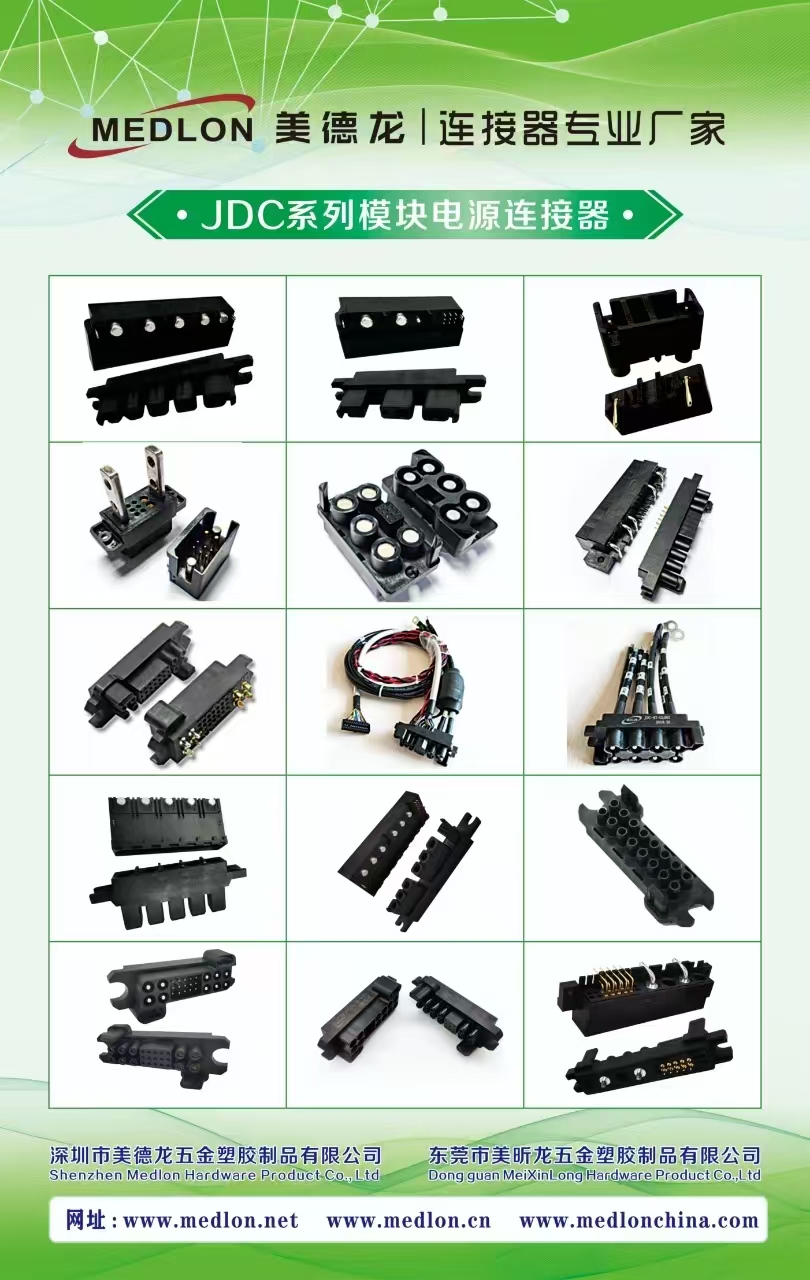
Complex designs require extensive research and development. This involves multiple rounds of prototyping, simulation, and testing before a product is ready for mass production. At Medlon, the R&D process for advanced power blade connectors can comprise up to 30% of the total project cost for highly complex solutions.
Custom molds, dies, and jigs are necessary for unique or intricate designs. These tools must be precisely engineered and maintained, resulting in higher setup costs. Furthermore, the manufacturing process itself may need to be adjusted—requiring more advanced machinery or slower production rates to maintain quality.
The choice of materials, such as high-conductivity copper, gold-plated contacts, or specialized plastics, directly influences material costs. For connectors operating in harsh environments, additional coatings or encapsulation may be required for corrosion resistance or electrical insulation—further contributing to the overall price.
As connectors become more complex, the assembly process often shifts from semi-automated to manual or robotic assembly, both of which increase labor and equipment costs. Stringent quality assurance processes—necessary to ensure reliability—add another layer of expense.
Complex designs often require more rigorous testing and certification processes, such as UL, CE, or industry-specific standards. These certifications not only add direct expenses but also extend development timelines.
Medlon has worked with clients requiring highly customized power blade connectors for applications ranging from high-performance computing to rugged industrial automation. In one project, a client required a connector with high pin density, robust waterproofing, and a unique locking mechanism.
This case exemplifies how design complexity, while more costly upfront, can deliver significant value and reliability for mission-critical applications.
While customization and advanced features are often necessary, Medlon encourages clients to carefully consider which aspects of complexity are essential to their application and which can be standardized or simplified. Here are some best practices:
The growth of electric vehicles (EVs) has brought power connector innovations into the spotlight. As EVs require connectors that can handle high voltages and currents in compact spaces, manufacturers like Medlon are challenged to develop connectors with sophisticated features such as thermal management, ruggedization, and fast charging capability. The design complexity in these applications is significant and directly influences the final product price. Yet, the investment is critical for performance and safety in modern vehicles.
As a power blade connector manufacturer, Medlon continually invests in advanced manufacturing technologies such as automated optical inspection, precision stamping, and robot-assisted assembly. These advancements help offset some of the cost impacts of complex designs by improving efficiency and reducing defects. Additionally, digital design tools enable rapid prototyping and simulation, accelerating development while maintaining quality standards.
The connector industry is experiencing a dual trend toward both greater customization and increased standardization. While custom connectors are necessary for unique applications, there is a growing shift toward modular connector systems that can be adapted to a range of requirements. Medlon supports clients with both custom and standardized solutions, helping them balance the need for specialized features with cost-effective production.
| Aspect | Standard Design | Complex Design |
|---|---|---|
| Pin Count | Low to medium | High, customized |
| Material | Standard copper, plastics | High-grade alloys, specialty plastics |
| Assembly | Semi-automated | Manual or robotic |
| Environmental Protection | Basic | Waterproof, dustproof, flame-retardant |
| Certification | Basic compliance | Rigorous, multiple certifications |
| Price | Lower | Higher |
With the rise of Industry 4.0, the Internet of Things (IoT), and continued electrification across sectors, the demand for advanced power connectors will keep increasing. Medlon is committed to leading the charge by developing next-generation connectors that balance complexity, performance, and cost. Collaboration with clients from the earliest design stages remains a key strategy to control costs while delivering innovative solutions.
Design complexity in power connectors is both a challenge and an opportunity. It requires a careful balance between advanced features, manufacturability, and cost-effectiveness. Medlon, as an experienced power blade connector manufacturer, brings deep expertise in managing this balance, supporting clients as they navigate the evolving demands of their industries. By understanding the drivers of complexity and strategically managing them, stakeholders can make decisions that lead to both high performance and cost savings in their power connector solutions.






 Wechat
 +86-138-288-62712
 Мисс Тан
 Whatsapp
 sally@medlonchina.com