MedlonUploaded:2026-02-27Browse:968
Medlon, a leading power blade connector manufacturer, is dedicated to delivering high-performance, reliable, and cost-effective signal connectors for a variety of industries. The primary drivers of signal connector costs stem from the choice of materials, design complexity, manufacturing technologies, labor and operational expenses, quality assurance, and supply chain management. Medlon addresses these challenges with advanced material selection, efficient manufacturing processes, automation, and strategic supplier partnerships. The company is also responsive to industry trends, such as the growing demand for automotive connectors and high voltage connectors, which require specialized solutions. By balancing cost, quality, and performance, Medlon ensures customers receive optimal connector solutions that meet rigorous standards and market needs.
In the ever-evolving electronics industry, the reliability and efficiency of signal connectors play a crucial role in powering devices and systems. As a leading power blade connector manufacturer, Medlon is at the forefront of innovation, delivering high-performance solutions that ensure seamless signal transmission and power delivery. This article explores the primary cost drivers influencing the design, production, and supply of signal connectors, with a focus on Medlon’s approach to balancing quality and affordability.
Signal connectors are electromechanical components that enable the transfer of data and power between different parts of an electronic system. Power blade connectors, a specialty of Medlon, are widely used in high-current applications due to their robustness, reliability, and compact design. These connectors serve as the backbone of critical industries such as telecommunications, automotive, consumer electronics, and industrial automation.
undefined
The cost of manufacturing signal connectors, particularly power blade connectors, is influenced by a combination of factors that span the entire product life cycle. Medlon pays close attention to these drivers to optimize production and offer competitive pricing to its global clientele.
Material choice is a fundamental driver of cost in connector manufacturing. The performance and durability of a signal connector heavily depend on the quality of materials used, such as metals for contacts and alloys for housings.
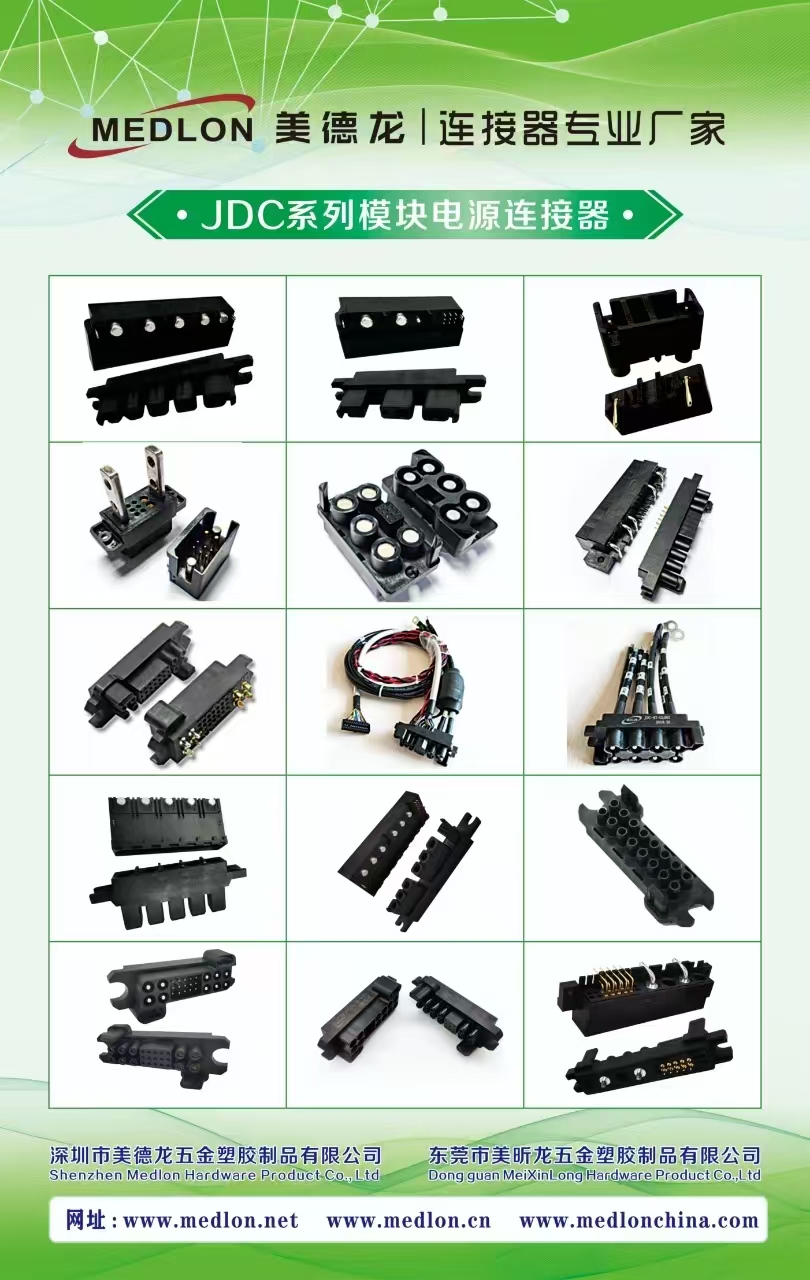
Raw material price fluctuations, driven by global supply chain dynamics, have a direct impact on production costs for companies like Medlon.
Design is another major driver. The more complex or custom a power blade connector design is—with requirements for unique shapes, pin counts, or locking mechanisms—the higher the tooling and engineering costs. Medlon’s in-house R&D team works closely with customers to balance bespoke requirements with manufacturability.
Medlon utilizes advanced manufacturing technology to streamline connector production. Automation reduces labor costs and increases throughput, but requires significant up-front investment in equipment and training.
While automation covers much of the manufacturing process, skilled labor remains essential for process oversight, equipment maintenance, and quality assurance. Medlon invests in ongoing workforce training to keep operational standards high and defects low.
Labor costs vary by manufacturing location. Medlon strategically situates its production facilities to balance cost efficiency with proximity to customers, reducing logistics time and expenses.
Ensuring that signal connectors meet international standards (such as UL, RoHS, and REACH) is non-negotiable, particularly for critical applications. Testing, certification, and documentation add to overall costs but protect both Medlon and end-users from failures and compliance risks.
Supply chain management plays a significant role in determining the total cost of connector manufacturing. Medlon collaborates with trusted suppliers and logistics providers to minimize lead times and inventory costs while safeguarding against disruptions.
Increasing environmental regulations demand more sustainable sourcing and end-of-life management. These requirements can drive up costs but are becoming essential for global market access.
Medlon consistently adopts strategies to manage and reduce the impact of cost drivers, ensuring that customers receive high-value, reliable power blade connectors without excessive expense.
Through precision engineering and lean manufacturing, Medlon minimizes material waste. Scrap recycling programs and process optimization contribute to lower material usage per unit.
Ongoing investment in automated assembly and inspection systems helps Medlon stay competitive on both quality and price. These systems also support scalability during demand surges and complex project requirements, such as those in the automotive connector and high voltage connector markets.
Long-term relationships with suppliers of raw materials and components allow for better price negotiation, improved quality, and more reliable delivery schedules.
By implementing Six Sigma and other quality management practices, Medlon reduces defect rates and warranty costs, benefitting both the company and its customers.
The ongoing drive towards miniaturization, higher data rates, and power density is reshaping the connector industry. Medlon adapts to these trends by innovating new designs and investing in research and development. The rise of electric vehicles and smart manufacturing (Industry 4.0) has particularly increased demand for specialized solutions like automotive connectors and high voltage connectors, each with unique cost challenges.
The automotive industry demands connectors that are robust, vibration-resistant, and capable of withstanding harsh environmental conditions. Medlon’s expertise in power blade connectors is highly sought after as electric and hybrid vehicles proliferate, requiring high-performance connectors for battery management and power distribution.
Applications requiring high voltage connectors, such as renewable energy systems and industrial power supplies, need specialized materials and rigorous insulation standards. These requirements drive both innovation and additional costs but open up new market opportunities for manufacturers like Medlon.
For Medlon, success as a power blade connector manufacturer hinges on the ability to manage cost drivers effectively while continuing to meet escalating performance and compliance demands. By focusing on material efficiency, design innovation, automation, and strong supplier partnerships, Medlon delivers high-quality signal connectors that support the world’s most advanced electronics ecosystems.
As technology continues to advance and global market dynamics shift, Medlon remains committed to transparency and value in connector manufacturing—ensuring that customers get the best solutions for their applications, whether in automotive, high-voltage, or any other demanding environment.
For more information about Medlon’s signal connector solutions, including custom and standard power blade connectors, visit our website or contact our engineering support team today.
Tags:jyp series of plug in power connector,power connector manufacturer,yf series power connector,






 Wechat
 +86-138-288-62712
 Мисс Тан
 Whatsapp
 sally@medlonchina.com