MedlonUploaded:2025-12-19Browse:1172
In today’s high-demand electronics landscape, the choice of connector housing materials is pivotal for performance, reliability, and safety. As a leading power blade connector manufacturer, Medlon is committed to delivering innovative solutions that meet the evolving needs of industries ranging from telecommunications to automotive. This article delves into the critical role housing materials play in power blade connector performance, exploring the nuances of material selection, emerging trends, and the impact on end-user applications.
Power blade connectors are essential components in modern electronic systems, designed to handle high currents while maintaining robust mechanical and electrical integrity. Their housing not only protects the internal contacts but also contributes significantly to the connector’s overall performance. The material used in housing affects not just durability, but also thermal management, electrical insulation, and environmental resistance.
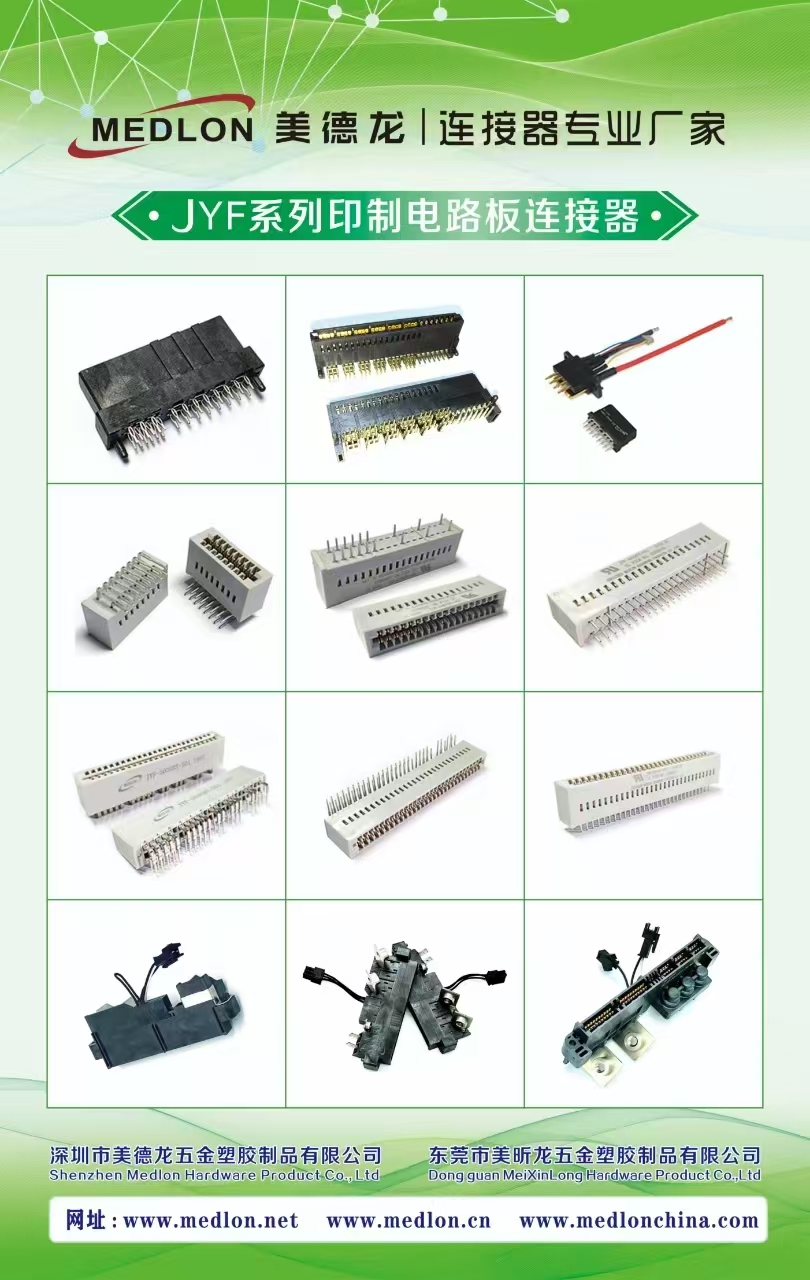
Medlon employs a range of advanced materials for power blade connector housings, each selected to meet specific application requirements. The most prevalent materials include engineering plastics, thermoset polymers, and, in select cases, metal alloys. Let’s examine the properties and performance implications of these materials.
Engineering plastics like Polybutylene Terephthalate (PBT), Polyamide (Nylon), and Polycarbonate (PC) are widely used in Medlon’s connector housings. These materials offer excellent mechanical strength, electrical insulation, and resistance to chemicals and heat. PBT, for example, is favored for its dimensional stability and flame retardant properties, making it ideal for high-power applications.
Thermoset polymers such as Epoxy and Phenolic compounds provide superior heat resistance and structural rigidity. These materials are commonly found in connectors subjected to elevated temperatures or demanding mechanical stress, ensuring long-term reliability in harsh environments.
While less common, metal alloy housings are sometimes used for connectors requiring exceptional electromagnetic shielding or mechanical robustness. Aluminum and stainless steel are typical choices, though their use must be balanced against weight and cost considerations.
The selection of housing material directly influences several performance parameters of power blade connectors. Medlon’s engineering team carefully matches material properties to application requirements, optimizing for factors such as current rating, thermal management, and environmental durability.
High-grade plastics and thermoset polymers provide excellent insulation, minimizing the risk of electrical faults. For applications in data centers or industrial automation, where safety and uptime are paramount, Medlon’s connectors utilize flame-retardant and low-smoke materials to comply with stringent regulatory standards.
Efficient heat dissipation is crucial in high-power applications. Materials with good thermal conductivity, such as certain filled plastics or metal alloys, help prevent overheating and extend connector lifespan. Medlon integrates thermal management features into housing designs, ensuring connectors remain reliable even under heavy loads.
Connectors often face mechanical stress from repeated mating cycles, vibrations, or accidental impacts. Engineering plastics with reinforced fibers or thermoset compounds deliver the necessary toughness, reducing wear and tear and maintaining performance over time.
Modern connector housings must withstand exposure to moisture, chemicals, and temperature fluctuations. Medlon selects materials with high resistance to corrosion and environmental degradation, ensuring connectors perform reliably in outdoor or industrial settings.
Medlon’s commitment to sustainability is reflected in the use of RoHS- and REACH-compliant materials, minimizing hazardous substances and supporting eco-friendly manufacturing practices. This not only protects users but also aligns with global environmental standards.
As technology advances, the demand for higher performance and miniaturization in connectors grows. Medlon is at the forefront of material innovation, exploring new polymers, composite materials, and smart coatings that enhance connector capabilities.
Composite housings combine the best properties of plastics and metals, offering lightweight strength, improved thermal management, and superior environmental resistance. These materials are increasingly used in aerospace and automotive power blade connectors, where performance demands are highest.
Emerging smart coatings provide self-healing, anti-corrosion, and anti-microbial properties, further enhancing connector longevity and reliability. Medlon’s R&D team is actively developing such coatings for next-generation power blade connectors.
To illustrate the impact of housing material choice, consider Medlon’s recent project for a leading telecommunications provider. The client required connectors capable of handling 60A current in a compact form factor, with high resistance to humidity and dust.
| Material | Key Properties | Performance Outcome |
|---|---|---|
| PBT (Polybutylene Terephthalate) | Flame retardant, high strength, chemical resistance | Reliable operation, safe in high-current environments |
| Glass-filled Nylon | Enhanced mechanical strength, dimensional stability | Durable under frequent mating/unmating cycles |
| Epoxy Thermoset | Superior heat resistance, rigid structure | Stable performance in elevated temperatures |
The result was a connector solution that exceeded the client’s expectations in both performance and longevity, demonstrating the importance of informed material selection.
It’s worth noting that material selection principles for power blade connectors also apply to other connector types, such as PCB connector and wire-to-board connector designs. PCB connectors often require low-profile, high-density housings with excellent insulation properties, while wire-to-board connectors must balance flexibility and mechanical strength for secure cable termination. Medlon leverages its expertise across these product categories to deliver superior performance regardless of connector type.
Connector housing materials are far more than just a protective shell—they are a fundamental determinant of performance, safety, and reliability. Medlon’s experience as a power blade connector manufacturer ensures that every product is engineered with the optimal material for its intended application, backed by rigorous testing and compliance with global standards. Whether you require connectors for high-current industrial systems or precision PCB assemblies, Medlon’s commitment to quality and innovation guarantees solutions that stand the test of time.
For more information on Medlon’s range of power blade connectors, PCB connectors, and wire-to-board connectors, contact our technical team or visit our product catalog. Let us help you power your next project with confidence.






 Wechat
 +86-138-288-62712
 Мисс Тан
 Whatsapp
 sally@medlonchina.com