MedlonUploaded:2026-03-06Browse:900
This article examines how international trade policies impact costs for power blade connector manufacturers like Medlon. It highlights the influence of tariffs, regulatory compliance, and customs procedures on pricing and supply chain dynamics. Trade agreements can open markets, while protectionist measures and non-tariff barriers can raise costs and complicate market entry. The volatility in raw material prices, driven by export controls and trade disputes, further affects manufacturing costs. Medlon’s strategies include proactive compliance, supply chain diversification, and leveraging strategic partnerships. The company also prioritizes innovation and sustainability, aligning with trends such as the expansion of EV charging connectors and data center power distribution. By investing in digital transformation and eco-friendly manufacturing, Medlon positions itself to navigate policy uncertainties and capitalize on emerging opportunities. Overall, international trade policies remain a critical factor in shaping the cost and competitiveness of power blade connectors in global markets.
Medlon stands out as a leading power blade connector manufacturer, recognized globally for its high-quality and reliable connectivity solutions. Power blade connectors are essential components in a wide array of industries, including automotive, data centers, telecommunications, and renewable energy sectors. As globalization intensifies, Medlon faces both opportunities and challenges shaped by rapidly evolving international trade policies.
In today’s interconnected markets, the costs associated with manufacturing and distributing power blade connectors are significantly influenced by international trade policies. This article delves into the critical ways these policies impact Medlon’s operations and the broader industry, focusing on tariffs, supply chain logistics, regulatory compliance, and emerging trends such as technological innovation and sustainable manufacturing practices.
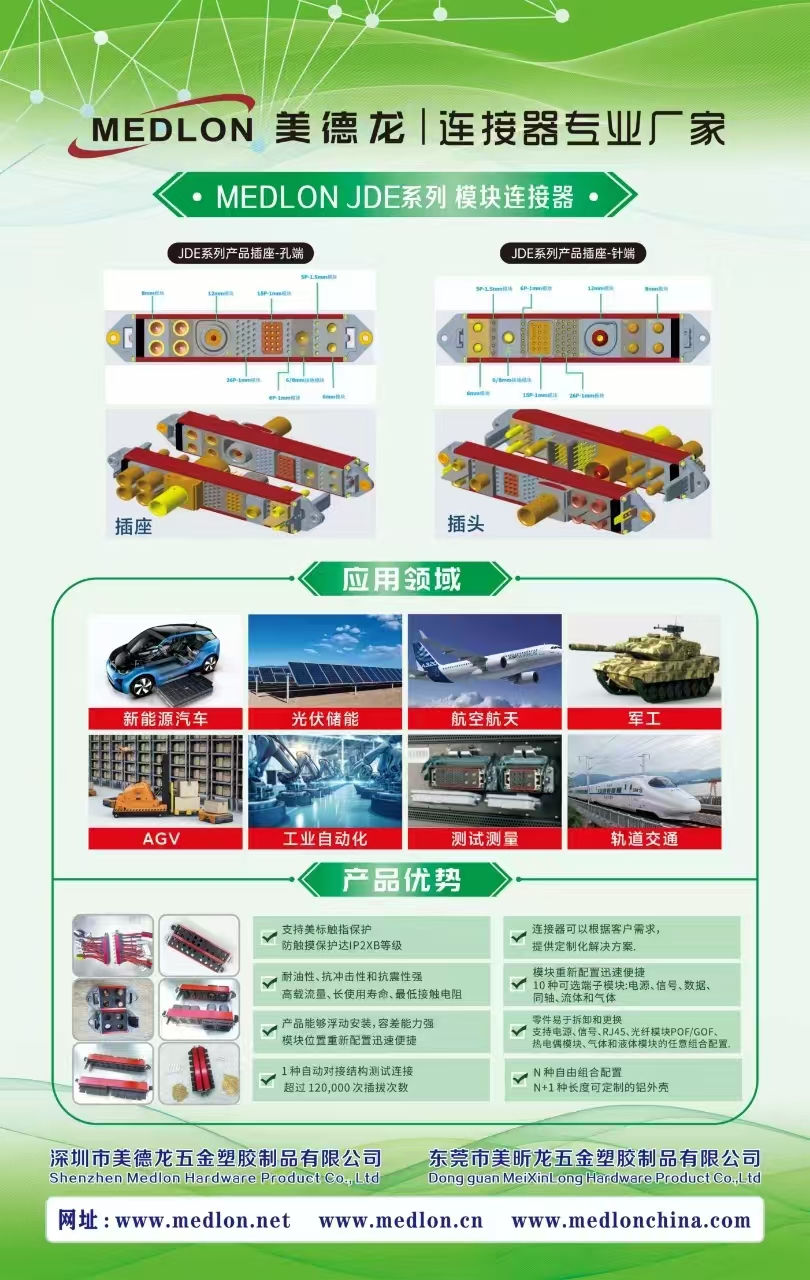
Power blade connectors are highly engineered solutions that enable efficient transmission of electrical power in robust environments. Medlon’s expertise in manufacturing these connectors ensures compatibility with the latest industry standards and provides customers with durable solutions for demanding applications.
undefined
As the market for power blade connectors grows, so does the complexity of international trade. Factors such as raw material sourcing, component standardization, and pricing strategies are intricately linked to cross-border trade regulations. Medlon’s ability to remain competitive hinges on its adaptability to these external forces.
International trade policies encompass laws, regulations, and agreements that govern the exchange of goods and services across borders. These policies include tariffs, import/export restrictions, quotas, and bilateral or multilateral trade agreements. For Medlon and other power blade connector manufacturers, these rules directly affect cost structures, supply chain resilience, and market access.
Medlon’s manufacturing process relies on a stable and cost-effective supply of raw materials such as copper, aluminum, and specialty plastics. International trade policies can affect the availability and price of these inputs in several ways:
Trade agreements play a vital role in facilitating market access for power blade connectors. Medlon benefits from agreements that lower tariffs and harmonize technical standards, allowing it to compete effectively in new regions. However, the absence of such agreements or the introduction of protectionist policies can limit growth opportunities.
Logistics costs are a significant component of the final price of power blade connectors. International trade policies shape supply chain efficiency in several ways:
Changes in international trade policies often cause currency fluctuations, which affect Medlon’s costs and profit margins. Sudden shifts in exchange rates can make imported components more expensive or reduce the competitiveness of exports.
Innovation is a cornerstone of Medlon’s business strategy. The company invests heavily in research and development to enhance the performance and sustainability of its power blade connectors. As international trade policies increasingly promote environmental standards, Medlon’s focus on sustainable manufacturing becomes a competitive advantage.
Incorporating state-of-the-art technology not only improves quality but also reduces costs by streamlining production and reducing waste. By staying ahead of regulatory trends, Medlon ensures its products remain compliant and attractive in a global market.
Recent years have seen significant shifts in trade policy, such as the US-China trade war and the renegotiation of the North American Free Trade Agreement (now USMCA). These changes have had a direct impact on power blade connector supply chains.
Digital transformation is reshaping the global manufacturing landscape. Medlon leverages automation and data analytics to optimize its power blade connector production lines. This transformation enables rapid adaptation to trade policy changes by providing greater flexibility in sourcing, manufacturing, and distribution.
Moreover, digital tools facilitate compliance with complex cross-border regulations, reducing administrative burdens and minimizing the risk of costly delays.
Industry standards, such as those set by the International Electrotechnical Commission (IEC), are crucial for market access. Harmonized standards simplify compliance processes and reduce costs for manufacturers like Medlon. However, divergent national standards can act as barriers to trade, necessitating duplicate testing and certification efforts.
The global push for renewable energy and fast-growing data center infrastructure is driving new demand for power blade connectors. Medlon is capitalizing on these trends by developing innovative products tailored to these markets. International trade policies that support green technologies and facilitate cross-border collaboration can further accelerate this growth.
Despite opportunities, Medlon faces several risks stemming from international trade policies:
To remain competitive, Medlon prioritizes innovation and sustainability in its operations. The company is investing in eco-friendly materials and energy-efficient manufacturing to meet the evolving expectations of customers and regulators. As international trade policies increasingly emphasize environmental and social governance (ESG) criteria, sustainable manufacturing is becoming a key differentiator in the power blade connector market.
International trade policies play a decisive role in shaping the costs and competitiveness of power blade connector manufacturers like Medlon. By navigating tariffs, regulatory requirements, supply chain challenges, and currency risks, Medlon continues to deliver high-quality products to a global customer base. Looking ahead, the company’s focus on technological innovation, sustainable manufacturing, and strategic market expansion positions it for sustained growth in an ever-evolving international trade landscape.
As Medlon expands its product portfolio, two critical applications are EV charging connectors and data center power distribution solutions. The growing electric vehicle market demands robust and reliable connectors, while the rapid expansion of data centers requires advanced power management. International trade policies that facilitate technology transfer and lower entry barriers are vital to accelerating innovation in these sectors and keeping costs competitive for both manufacturers and end-users.
Tags:jyp series of plug in power connector,power blade connector






 Wechat
 +86-138-288-62712
 Мисс Тан
 Whatsapp
 sally@medlonchina.com