MedlonUploaded:2026-07-17Browse:469
Cross-training programs are crucial for building versatility in a power blade connector factory, as exemplified by Shenzhen Medlon Hardware Product Co., Ltd. (MEDLON). These programs rotate employees across assembly lines, quality control, customization, and customer support, equipping them with skills to handle diverse products like YRT series (up to 250A/600V), signal connectors (with EMI/RFI shielding), and customized connectors. Key areas include assembly line rotation to master low-, medium-, and high-voltage connectors; quality training on UL/IEC/RoHS testing; collaboration with engineering on customization; and integration of global service insights. Implementation follows a structured approach: needs assessment, modular training, mentorship, certification, and continuous feedback. Benefits include increased operational flexibility to meet fluctuating demands (delivery cycles 7-20 days), enhanced innovation from a holistic understanding of production, improved quality compliance (e.g., contact resistance ≤2mΩ, IP67 protection), and higher employee retention through career growth. Challenges like time constraints and product complexity are managed via incentives and tailored training materials. Ultimately, cross-training ensures Medlon remains a leading manufacturer, adaptable to high-current, high-voltage applications across industries such as data centers, renewable energy, and automotive electronics, while sustaining precision engineering and R&D investments.
In the highly specialized world of connector manufacturing, versatility is not just a desirable trait—it is a competitive necessity. As a leading manufacturer of power blade connectors, Shenzhen Medlon Hardware Product Co., Ltd. (MEDLON) understands that a cross-trained workforce is the backbone of operational agility. By investing in comprehensive cross-training programs, Medlon ensures that employees can seamlessly move between production lines, quality control stations, and customization projects. This article explores how cross-training builds versatility in a power blade connector factory, drawing on Medlon's real-world practices and the industry’s technical demands.
Power blade connectors are critical components in industries such as industrial automation, data centers, renewable energy, automotive electronics, telecommunications, medical devices, and aerospace. These connectors must meet stringent specifications: low contact resistance (≤2mΩ), high insulation resistance (≥5000MΩ), and wide operating temperature ranges (-55°C to +125°C). To consistently deliver products like the YRT series—which supports rated currents up to 250A and voltages up to 600V—Medlon relies on a workforce that can adapt to fluctuating demands. Cross-training mitigates bottlenecks caused by absenteeism or sudden order surges, and it fosters a deeper understanding of the entire manufacturing process from raw material selection (copper alloy, gold plating, silver plating, tin plating) to final testing (dielectric strength, insulation resistance, environmental durability).
Medlon’s production lines cover multiple categories: power blade connectors (low voltage ≤60V, medium voltage 60-600V, high voltage >600V), PCB connectors, board-to-board connectors, signal connectors, and customized connectors. Cross-training programs rotate employees across these lines, teaching them how to handle different pin counts, layouts, and material combinations. For example, an operator trained on the YRT series—which uses high-conductivity copper alloy contacts and high-temperature resistant thermoplastic housings—can later work on signal connectors that require precision engineering and advanced shielding for EMI/RFI resistance. This rotation not only builds versatility but also instills a holistic view of Medlon’s product ecosystem.
Quality is non-negotiable at Medlon. The company adheres to international standards such as UL, IEC, and RoHS, and its products undergo rigorous tests including dielectric strength testing, insulation resistance testing, and environmental durability testing. Cross-training in the quality lab equips production staff with skills to perform these tests and interpret results. Employees learn to check protection levels (e.g., IP67 when mated) and verify that contact resistance stays below 2mΩ. This cross-functionality ensures that potential defects are caught early, reducing waste and rework. Additionally, understanding testing protocols helps operators appreciate the importance of precision in their own work.
undefined
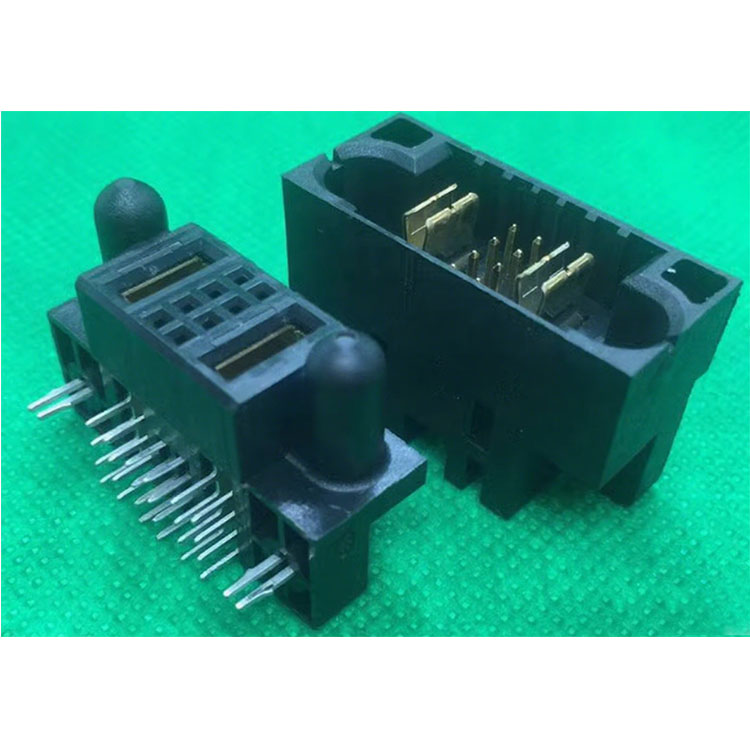
Medlon offers tailored connector solutions— from material selection (copper alloy, gold, silver, tin plating) to pin count and installation methods (panel, PCB, cable mounting). Cross-training programs bring together production staff and engineers to work on customization projects. Employees learn to adjust parameters like rated current, voltage, and dimensions based on customer requirements. This collaborative cross-training not only accelerates prototype development but also fosters innovation. For instance, a technician who understands both standard YRT connectors and custom designs is better equipped to suggest improvements that balance performance and cost.
Medlon provides 24-hour after-sales service and has a global customer service network. Cross-training includes exposure to customer support functions, where production staff learn about common inquiries and field issues. By understanding challenges faced by end-users in industries like data centers or renewable energy, employees can adjust their manufacturing approach to enhance reliability. This customer-centric cross-training aligns with Medlon’s commitment to precision engineering and continuous R&D investment in next-generation connector technology.
To build an effective cross-training program, Medlon follows a structured framework:
During peak demand for industrial automation connectors, Medlon can shift trained employees from other lines to meet deadlines. This flexibility is crucial for maintaining delivery cycles of 7-20 days, even with custom orders. Cross-training also reduces downtime when a line operator is absent—another qualified worker can step in immediately.
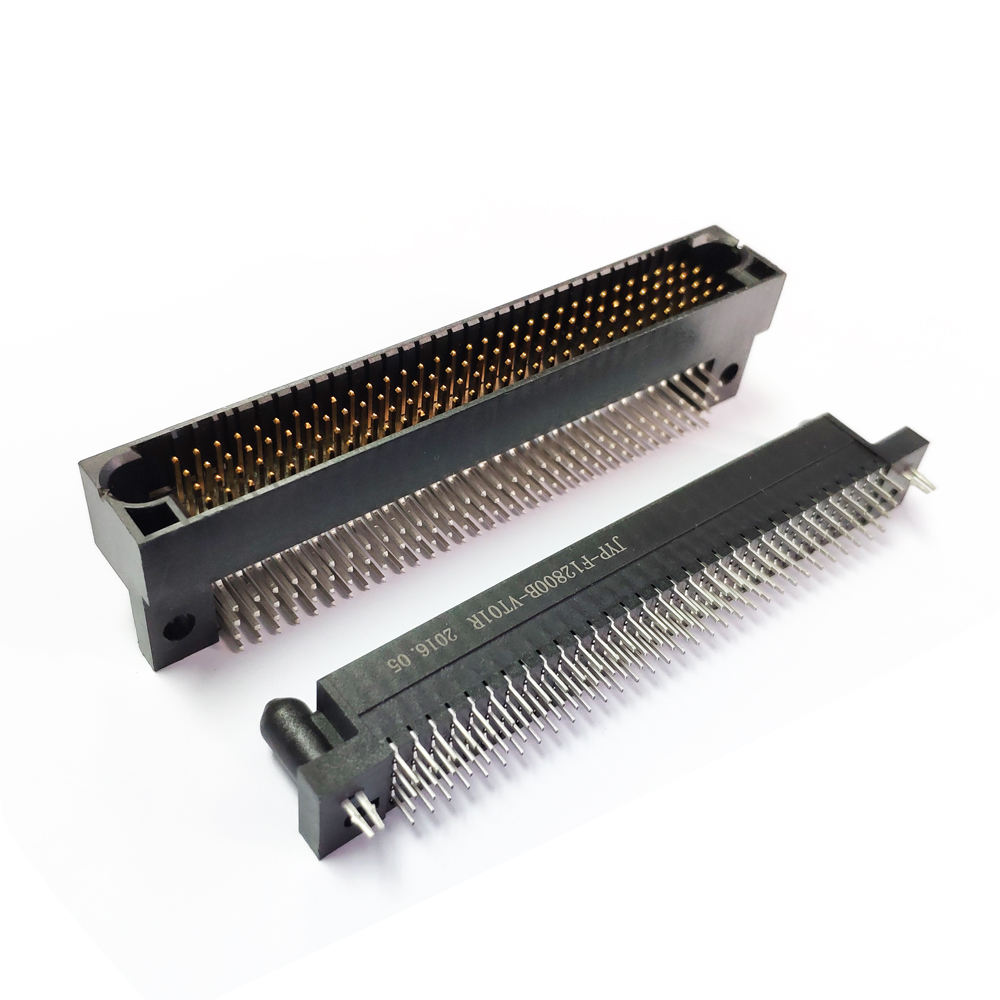
Employees who understand the entire production chain—from material selection to final testing—are more likely to identify process improvements. For example, a worker who has handled both standard and customized connectors may propose a new pin layout that simplifies assembly without compromising on current capacity (up to 250A). This grassroots innovation feeds into Medlon’s R&D, allowing the company to stay at the forefront of power blade connector technology.
Cross-training in quality control ensures that every operator knows the critical parameters for each product. For instance, knowing that electric vehicle charging connectors must withstand 3000V AC helps operators pay extra attention to insulation integrity. This collective vigilance has helped Medlon achieve certifications across UL, IEC, and RoHS while maintaining a product protection level of IP67.
A cross-training program provides clear career pathways. Entry-level operators can progress to become multi-skilled technicians, lead assemblers, or quality specialists. Medlon’s investment in employee development—backed by its professional R&D team and engineering experience—boosts morale and reduces turnover. Employees see that their growth aligns with the company’s mission: to develop next-generation connector technology for evolving electrical connection needs.
Medlon’s YRT series is a flagship product line with demanding specifications: rated current up to 250A, rated voltage up to 600V, and operating temperature from -40°C to +125°C. The connectors use high-conductivity copper alloy blades and high-temperature resistant thermoplastic housings. Cross-training operators on the YRT line involves:
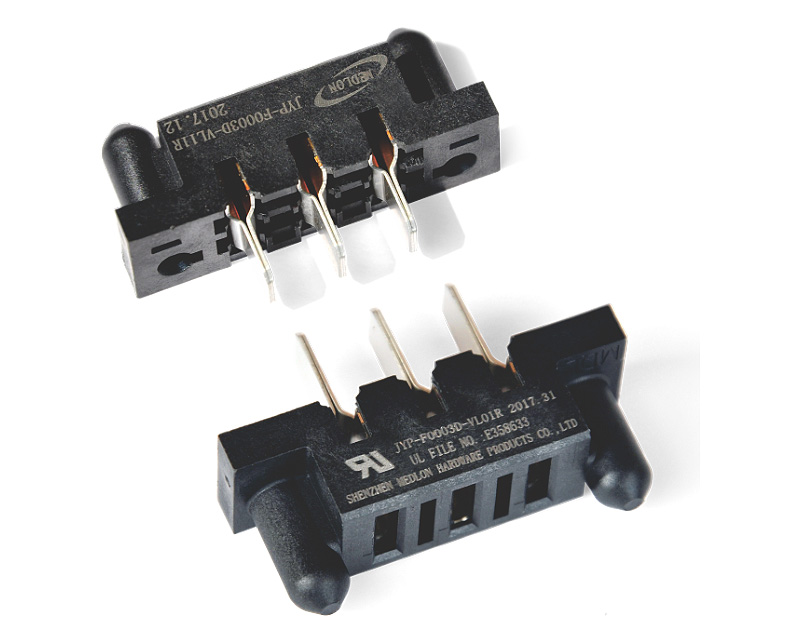
Once trained on YRT, employees are rotated to other platforms like signal connectors (with precision shielding) or customized connectors (with varied plating). This cross-pollination of skills ensures that Medlon can quickly adapt its production to market trends—whether that’s a spike in demand for medium-voltage connectors (60-600V) for telecommunications or high-voltage (>600V) connectors for electric vehicle charging.
Implementing cross-training is not without hurdles. Medlon addresses these directly:
Cross-training programs are more than a human resource initiative—they are a strategic asset for any power blade connector factory. At Medlon, cross-training has transformed the workforce into a versatile team capable of meeting the rigorous demands of industries like aerospace, medical devices, and renewable energy. By rotating through assembly, quality control, customization, and customer support, employees gain a 360-degree view of connector manufacturing. This not only improves operational agility but also drives the continuous innovation that keeps Medlon at the cutting edge—from the YRT series to advanced signal connectors with EMI/RFI shielding. As the industry evolves toward higher currents and voltages, a cross-trained workforce ensures that Medlon remains a trusted manufacturer in the global connector market.
Shenzhen Medlon Hardware Product Co., Ltd. (MEDLON) - Headquarters: Room 302, Building C, Baoan New Generation Information Technology Industrial Park, No. 3, North Second Lane, Chuangye Second Road, Xin’an Street, Bao’an District, Shenzhen, China. Established 2006. Committed to precision engineering and next-generation connector technology.






 Wechat
 +86-138-288-62712
 Мисс Тан
 Whatsapp
 sally@medlonchina.com