MedlonUploaded:2026-01-09Browse:1009
Signal connector shielding is critical to maintaining data integrity and performance in today’s electronic systems. As devices handle increasing power and operate in environments filled with electromagnetic and radio frequency interference, shielding materials like copper, aluminum, nickel-plated steel, and tin-plated metals become essential components of reliable connectors. Medlon, a leading power blade connector manufacturer, combines these materials with various construction techniques—such as foil and braided shields—to meet the demands of industrial, automotive, and data center applications. Emerging trends include advanced composites, automated manufacturing, and a focus on customization for application-specific needs. By evaluating EMI environments and choosing partners with deep expertise, companies can ensure their connectors remain robust and future-proof. Medlon’s innovation and commitment to quality in both standard and custom connector solutions illustrate the importance of tailored shielding in delivering consistent, high-performance interconnects.
In the modern era of rapid electronic advancement, the efficiency and reliability of signal connectors have become more critical than ever. As devices become faster and more compact, the integrity of data transmission relies heavily on adequate shielding. At Medlon, a leading power blade connector manufacturer, we understand that selecting the right shielding materials is foundational to ensuring the highest performance in every application, from industrial automation to data centers.
This article delves into the intricacies of shielding materials for signal connectors, examining their types, functions, and the latest trends. We will also touch upon keywords such as power blade connector and custom connector solutions, showing how Medlon integrates them into its innovative product range.
undefined
Signal connectors serve as the gateway for seamless data and power transfer in countless electronic systems. These connectors, however, are constantly threatened by electromagnetic interference (EMI) and radio frequency interference (RFI) arising from nearby electronic devices, power circuits, and even external sources like wireless transmissions. Shielding is the primary defense mechanism against such interferences, ensuring data integrity and preventing signal degradation.
For power blade connectors, effective shielding directly impacts current-carrying efficiency and resistance to noise. This is especially vital in environments where multiple high-power devices operate in proximity, such as server farms or industrial control units.
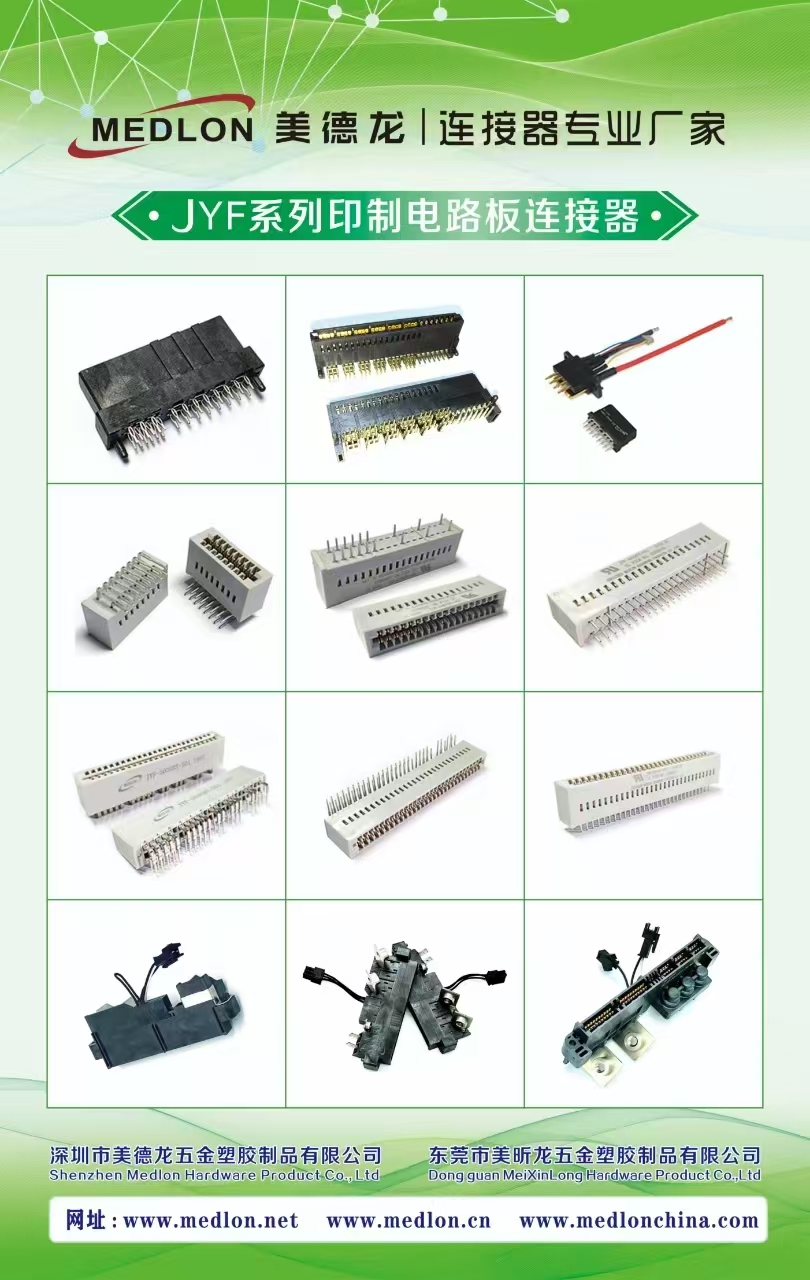
The choice of shielding material depends on the application’s requirements, cost constraints, and environmental conditions. Let’s explore the most widely used materials in the manufacturing of signal connector shields:
Medlon’s power blade connector solutions incorporate these materials based on the performance, compliance, and cost needs of our partners. For instance, our specialty connectors for high-current applications often feature multi-stage shielding using both copper and nickel-plated steel for maximum durability and interference suppression.
Shielding works by creating a barrier that reflects, absorbs, or redirects electromagnetic fields away from the signal paths. The effectiveness of a shielding material is measured by its shielding effectiveness (SE), which quantifies the reduction of electromagnetic fields in decibels (dB). Key factors affecting SE include:
In addition to material selection, the design of the shield significantly influences performance. Here are the primary types of shielding constructions:
Medlon’s custom connector solutions often leverage these varied constructions, tailoring them to customer requirements for signal integrity and mechanical robustness.
As a specialist power blade connector manufacturer, Medlon recognizes the unique shielding challenges in high-current, high-density applications. Some of these challenges include:
Technological progress and evolving industry standards prompt continuous innovation in the field of connector shielding. Some current trends shaping the landscape include:
Medlon is at the forefront of these trends, constantly updating its material library and manufacturing processes to meet the most demanding industry requirements.
| Material | Conductivity | Corrosion Resistance | Weight | Cost |
|---|---|---|---|---|
| Copper | Excellent | Good | High | High |
| Aluminum | Moderate | Moderate | Low | Low |
| Nickel-Plated Steel | Low | Excellent | High | Moderate |
| Tin-Plated Copper | Excellent | Excellent | High | High |
Let’s consider a recent Medlon project for a major data center client requiring custom power blade connectors. The challenge was to deliver high current flow (over 100A) in a confined rack space with significant ambient EMI. Medlon’s engineers selected a dual-layer shield: an inner copper braid for superior conductivity and an outer nickel-plated steel shell for mechanical robustness and corrosion resistance. Rigorous testing showed signal loss reductions of up to 35% compared to standard designs, with zero EMI-related data errors over continuous operation.
Such real-world successes highlight the value of material expertise and agile manufacturing in delivering custom connector solutions that outperform generic alternatives.
Shielding remains one of the most vital aspects of signal connector design, especially for mission-critical and high-power applications. At Medlon, our commitment to innovation and quality in power blade connectors positions us as a trusted partner for OEMs across industries. By leveraging advanced shielding materials and custom engineering, we ensure your signal integrity, operational reliability, and compliance with evolving standards.
Whether you need off-the-shelf or custom connector solutions, Medlon delivers unmatched expertise in shielding, empowering your next project to connect with confidence.






 Wechat
 +86-138-288-62712
 Мисс Тан
 Whatsapp
 sally@medlonchina.com