MedlonUploaded:2026-04-10Browse:699
Raw material prices significantly influence the cost structure of JYZ standoff insulators, a vital component in high-voltage electrical systems. As a leading power blade connector manufacturer, Medlon closely monitors market trends affecting ceramics, metals, epoxy resins, and silicone rubber—the primary materials in standoff insulators. Volatility in these markets, driven by global supply chain disruptions, regulatory changes, and surging demand, can quickly impact Medlon’s production costs and pricing strategies. To manage these risks, the company employs long-term supplier partnerships, material innovation, and strategic inventory management. The rising importance of sustainability also guides Medlon’s investment in recycled and bio-based materials. Ultimately, Medlon’s proactive approach ensures the quality, reliability, and cost-effectiveness of both JYZ standoff insulators and power blade connectors, maintaining the company’s leadership in a rapidly changing industry.
In the dynamic world of electrical component manufacturing, raw material pricing forms the backbone of production cost management. Medlon, a leading power blade connector manufacturer, is keenly aware of the ever-changing landscape of input costs, particularly when it comes to products like JYZ standoff insulators. The relationship between raw material markets and product pricing is complex, involving global supply chains, technological advancements, and shifting customer demands. This article explores how fluctuations in raw material prices affect the overall cost structure for JYZ standoff insulators and offers insights into the strategies Medlon employs to navigate this challenging terrain.
JYZ standoff insulators are critical components used in high-voltage electrical systems, acting as both mechanical supports and electrical barriers. Their robust construction and superior dielectric properties ensure the safe and reliable operation of power blade connectors in diverse applications, from substations to industrial automation systems. As Medlon continues to innovate in the field of power blade connector manufacturing, understanding the cost drivers behind JYZ standoff insulators is essential for maintaining competitiveness, quality, and profitability.
undefined
The quality and performance of JYZ standoff insulators depend heavily on the stability and purity of these raw materials. However, the supply and pricing of each material are influenced by a range of external factors, such as mining regulations, geopolitical tensions, and advances in material science.
Over the past few years, raw material prices for the electrical industry have experienced significant volatility. The global pandemic, energy crises, and increased demand for renewable energy infrastructure have all played roles in driving up costs for metals, ceramics, and polymers. For instance, alumina and copper prices soared in 2021 and 2022 before stabilizing toward the end of 2023. Epoxy resin and silicone rubber markets have also seen fluctuations due to supply chain disruptions.
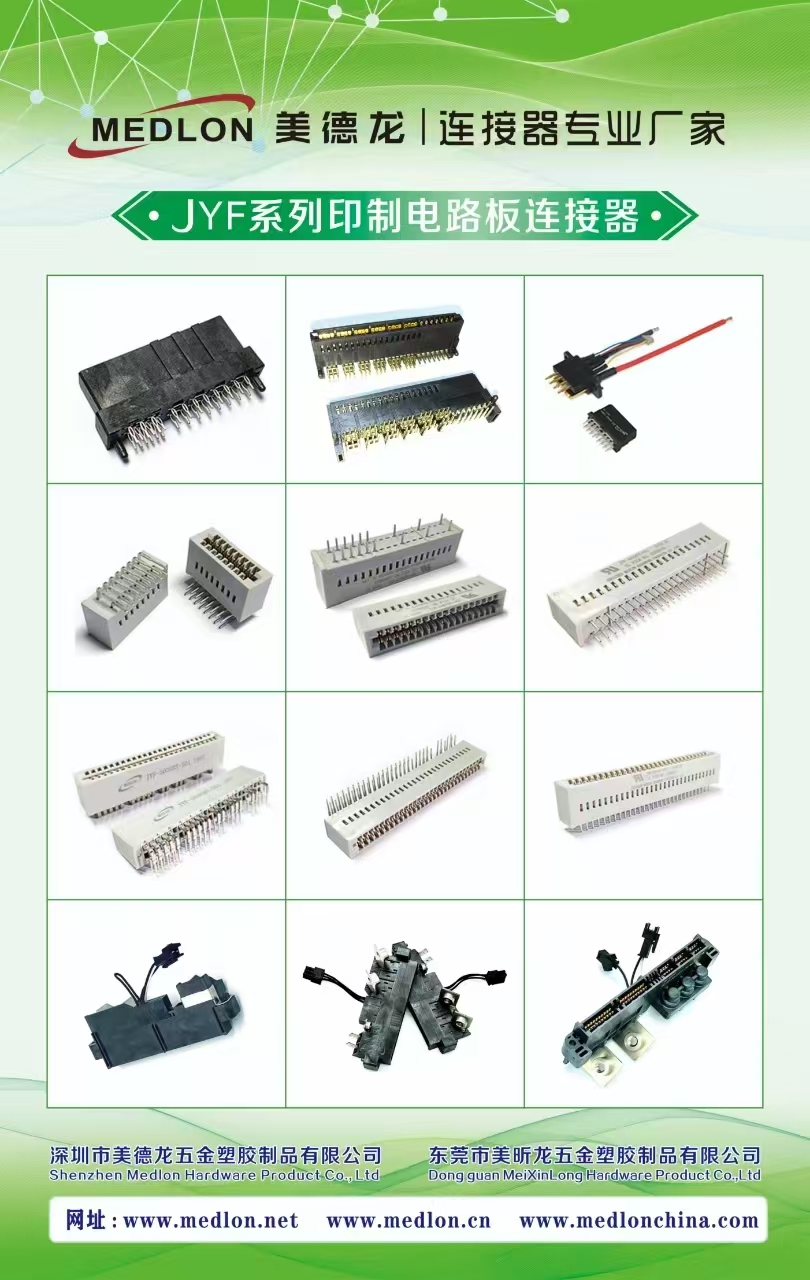
Medlon closely monitors these trends and collaborates with suppliers to secure high-quality materials at competitive rates. This vigilance is necessary for controlling the costs of producing JYZ standoff insulators, as even minor shifts in input prices can have a cascading effect across the manufacturing process.
The total cost of producing a JYZ standoff insulator can be broken down into several components:
| Cost Component | Percentage of Total Cost |
|---|---|
| Raw Materials | 50-60% |
| Labor | 15-20% |
| Energy & Utilities | 10-15% |
| Overheads (R&D, Quality) | 10% |
| Logistics | 5% |
As illustrated, raw materials make up the largest proportion of the total cost for standoff insulators. When prices for ceramics, metals, or polymers rise, manufacturers like Medlon are faced with tough decisions: absorb the cost, pass it on to customers, or seek alternative materials.
For Medlon, rapid changes in raw material pricing can lead to:
Medlon’s approach to these challenges is proactive and multifaceted. By fostering close relationships with raw material suppliers and leveraging its expertise in power blade connector manufacturing, the company can better anticipate market shifts and adjust accordingly.
In early 2022, global copper prices jumped by more than 30% due to increased demand from electric vehicle production and infrastructure expansion. Since copper is a key component in the metal hardware of JYZ standoff insulators and power blade connectors, this surge posed a direct challenge to Medlon’s cost structure. The company responded by:
Through these measures, Medlon managed to limit the impact on JYZ standoff insulator pricing, maintaining its commitment to quality and customer satisfaction.
Epoxy resins provide the adhesive and encapsulating properties necessary for robust insulator construction, while silicone rubber enhances environmental resistance in certain models. Both materials have experienced price spikes due to petrochemical market instability, logistical disruptions, and regulatory changes.
Medlon’s technical teams continually test new resin formulations and polymer blends to achieve the best balance between performance and cost. This commitment to innovation ensures that even as raw material prices fluctuate, the company’s standoff insulators remain reliable and competitively priced.
Power blade connector manufacturing is highly sensitive to input cost fluctuations, especially when standoff insulators comprise a significant part of connector assemblies.
Medlon’s reputation as a premier power blade connector manufacturer rests on its ability to manage these variables effectively. By aligning insulator sourcing with overall connector production strategy, the company provides consistent value to OEMs and end-users alike.
To secure its position as an industry leader, Medlon deploys several strategies for coping with raw material price volatility:
These strategies not only help Medlon control costs but also enhance its agility and resilience in the face of market disruptions.
As sustainability becomes a core customer requirement, Medlon looks beyond immediate cost pressures to consider the long-term environmental impact of its material choices. Investing in recycled metals, bio-based resins, and energy-efficient manufacturing processes not only reduces the company’s ecological footprint but can also provide protection against future regulatory-driven price increases.
In addition, Medlon is exploring digitalization across its supply chain, using data analytics to forecast material trends and optimize procurement. This approach ensures a timely response to raw material price changes, keeping JYZ standoff insulator production both cost-effective and sustainable.
Raw material pricing will continue to play a decisive role in the cost and availability of JYZ standoff insulators. For power blade connector manufacturers like Medlon, success hinges on a combination of proactive risk management, ongoing innovation, and customer-centric flexibility. By staying at the forefront of material science and supply chain strategy, Medlon remains a trusted partner for OEMs seeking high-performance electrical components in a rapidly evolving market landscape.
The keywords standoff insulator and power blade connector are central to Medlon's product ecosystem. Standoff insulators provide the essential isolation and support required for the safe operation of power blade connectors, ensuring that high-voltage systems remain secure, efficient, and reliable. Medlon's expertise bridges these two critical product domains, offering solutions tailored to the evolving needs of the electrical industry.






 Wechat
 +86-138-288-62712
 Miss Tan
 Whatsapp
 sally@medlonchina.com