MedlonUploaded:2026-02-04Browse:1012
This article explores how environmental regulations impact the cost structure of signal connectors, focusing on Medlon—a leading manufacturer of power blade connectors. Global standards like RoHS, REACH, WEEE, and Conflict Minerals Regulation require Medlon to use safer materials, update manufacturing processes, enhance supply chain transparency, and design for recycling. These changes raise costs through pricier raw materials, process upgrades, compliance testing, and increased documentation. However, these regulations also drive innovation, pushing Medlon toward developing advanced, compliant products like high-speed connectors and custom connectors tailored to unique market requirements and stricter standards. By embracing these challenges, Medlon can enhance customer trust, expand into regulated markets, and sustain growth through proactive compliance and green manufacturing practices. Ultimately, environmental regulations, while increasing costs, offer Medlon opportunities to lead in quality, sustainability, and global competitiveness.
As a leading manufacturer of power blade connectors, Medlon stands at the forefront of technological advancement and global supply chain competitiveness. In recent years, the increasing complexity and stringency of environmental regulations have fundamentally altered the way signal connectors are designed, manufactured, distributed, and recycled. For Medlon, understanding and strategically navigating these regulations is not only critical for compliance but also for cost management, product quality, and customer satisfaction.
Environmental regulations are crafted to minimize the ecological footprint of industrial products, including electronic components such as signal connectors. These regulations often stipulate the use of safer materials, energy-efficient processes, and responsible end-of-life management. For companies like Medlon, adjusting to new mandates from regions such as the European Union, North America, and Asia-Pacific often means recalibrating supply chains, reformulating materials, and investing in cleaner technologies.
undefined
Each of these regulations carries specific implications for power blade connectors and other signal connector types produced by Medlon, contributing to both direct and indirect cost increases.
Material selection is at the heart of connector manufacturing. For Medlon's engineers, the need to avoid substances such as lead, mercury, cadmium, and certain phthalates, as dictated by RoHS and REACH, has necessitated the adoption of alternative materials. These alternatives are often more expensive or require new manufacturing processes, impacting the bottom line.
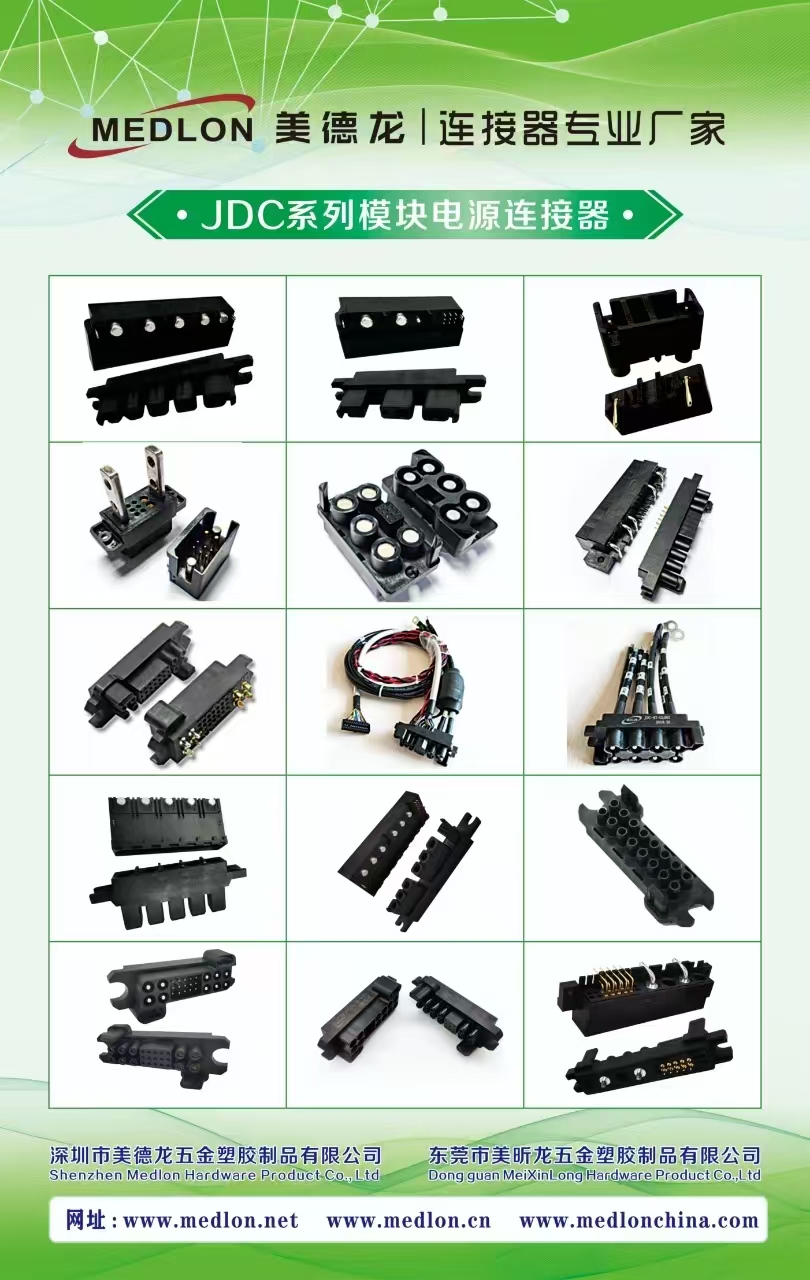
While substituting hazardous materials with compliant ones ensures adherence to regulations, it can increase raw material costs and sometimes affect connector performance. For example, replacing traditional tin-lead solder with lead-free alternatives may entail higher melting points and require more energy for processing, raising energy costs and altering production throughput.
Environmental regulations also drive innovation in product design. Medlon’s R&D teams are motivated to develop connectors that are not only compliant but also maintain or enhance performance. These efforts may include miniaturization, modularity, and improved recyclability, all of which can add to development costs but ultimately offer a competitive edge.
For Medlon, adapting manufacturing processes to meet environmental mandates affects several aspects of operations:
These adjustments not only incur capital expenditures but also require ongoing operational costs that must be factored into the final price of power blade connectors.
Tracing the origin and composition of every component and material in Medlon's connectors is essential for regulatory compliance. Supply chain transparency is crucial, especially for regulations like REACH and Conflict Minerals Regulation, which demand detailed documentation and reporting.
More stringent documentation requirements necessitate robust data management systems, while testing for hazardous substances requires advanced laboratories or third-party certifications. These measures are essential but add further to the cost structure of signal connectors.
Medlon sources raw materials and components globally to optimize costs and access the best technologies. However, varying international regulations can complicate sourcing decisions and sometimes necessitate different product versions for different markets, further increasing costs.
Under mandates such as WEEE, Medlon must ensure that its power blade connectors are designed for easier disassembly and recycling. This often means using reusable or recyclable materials, designing for standardized disassembly, and, in some cases, taking back products at end-of-life.
Such design modifications can increase initial manufacturing costs but may offer lifecycle cost savings and environmental benefits.
The cumulative effect of these regulatory-driven changes is a rise in the total cost of ownership for Medlon’s power blade connector products. The following table summarizes major cost drivers:
| Cost Driver | Description |
|---|---|
| Material Costs | Higher prices for compliant materials and supply chain verification |
| Manufacturing Upgrades | Capital expenditure for new machinery and energy-efficient processes |
| Testing & Certification | Ongoing costs for compliance testing, audits, and certifications |
| Documentation & Training | Costs associated with data management, reporting, and employee training |
| Design & Development | Investment in R&D for compliant, high-performance connectors |
| Recycling & Take-back | Expenses tied to end-of-life product management and recycling initiatives |
Despite the cost pressures, environmental regulations offer opportunities for Medlon to differentiate its power blade connector offerings. By proactively adopting green manufacturing practices and transparent supply chain management, Medlon can position itself as a trusted partner in markets with strict environmental standards.
The regulatory environment continues to evolve, with new proposals on circular economy, carbon footprint reporting, and chemical safety on the horizon. Medlon must remain agile by investing in regulatory intelligence, building flexible manufacturing systems, and deepening supplier partnerships.
As environmental regulations become more demanding, the development of specialized products like the high-speed connector and custom connector is gaining momentum. High-speed connectors, designed to maintain signal integrity at elevated data rates, require precision engineering and advanced materials, both of which are affected by environmental materials restrictions. Similarly, custom connectors, tailored for unique applications or regulatory requirements, must undergo thorough compliance testing and documentation—adding another layer to cost considerations.
Medlon’s ability to offer compliant high-speed and custom connectors will be crucial in capturing emerging opportunities in telecommunications, automotive, and industrial automation sectors.
For Medlon, environmental regulations are more than a compliance obligation—they are a catalyst for innovation, operational excellence, and market differentiation. By understanding the multi-layered impact of these regulations on material selection, process design, supply chain management, and end-of-life responsibility, Medlon can strategically manage costs while delivering high-quality, compliant power blade connectors to a global customer base.
As the regulatory landscape continues to shift, Medlon’s proactive stance in investing in compliant materials, manufacturing upgrades, and specialized high-speed and custom connectors ensures the company remains ahead of the curve—balancing profitability, customer needs, and environmental stewardship in the dynamic world of signal connector manufacturing.






 Wechat
 +86-138-288-62712
 Miss Tan
 Whatsapp
 sally@medlonchina.com