MedlonUploaded:2026-01-01Browse:1639
This article, authored by Medlon—a leading power blade connector manufacturer—offers a detailed comparison between power blade connectors and busbar connectors. It begins by outlining the structure, features, and applications of each connector type. Power blade connectors are highlighted for their compact, modular design suitable for rapid, tool-free installation and maintenance, making them ideal for data centers and automation environments. In contrast, busbar connectors are emphasized for their robust construction and high-current capacity, commonly used in substations and large-scale power distribution panels. The article details the electrical and practical differences, including current ratings, thermal management, installation procedures, and maintenance needs. It also provides a comparative table to help professionals choose the right connector for their unique requirements. Medlon’s commitment to innovation, quality, and compliance with international standards is stressed throughout, reinforcing the company’s position as a trusted industry partner. In summary, the article empowers readers to make informed choices between power blade and busbar connectors, ensuring that their power distribution systems achieve optimal efficiency, safety, and scalability.
In today’s rapidly evolving electrical and electronics industries, the demand for robust, efficient, and reliable high-current interconnection solutions has escalated. As a leading power blade connector manufacturer, Medlon is committed to advancing connection technologies and providing industry professionals with insights to make informed choices. Two of the most commonly utilized components in power distribution systems are power blade connectors and busbar connectors. While their applications may overlap, their designs, functionalities, and use cases often diverge significantly. This article explores the fundamental differences between these two crucial connector types, focusing on their construction, performance, and best-use scenarios.
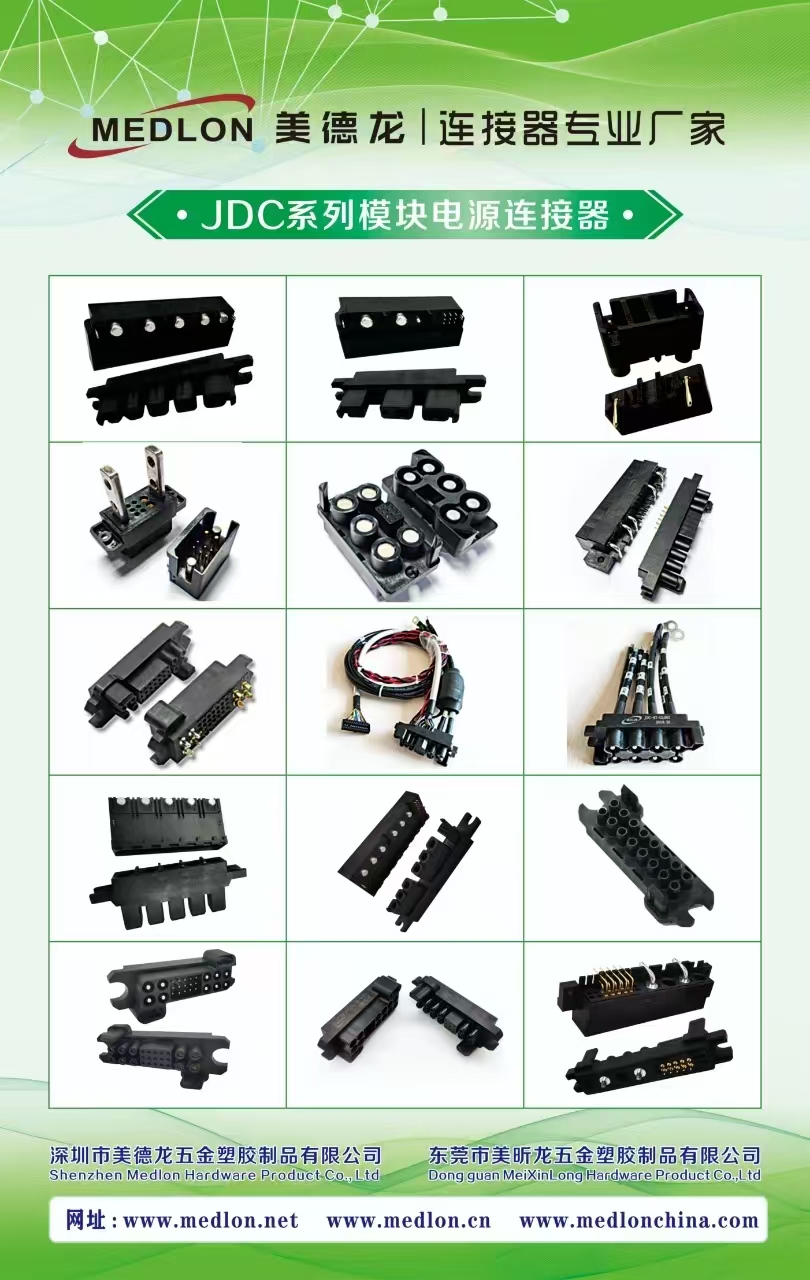
Power blade connectors are specialized electrical interfaces designed to transmit high levels of current in a compact and modular form. These connectors typically feature flat, blade-like contact points that allow for low-resistance connections and simplified assembly or disassembly. As a renowned power blade connector manufacturer, Medlon has developed a range of blade connectors widely used in data centers, industrial automation, renewable energy, and telecommunications.
Some of the critical features of power blade connectors include:
undefined
Power blade connectors are preferred for applications requiring high reliability and frequent access, such as in server racks, power distribution units, and modular switchgear. Their versatility and customizability make them a cornerstone for Medlon’s product offerings in modern electrical systems.
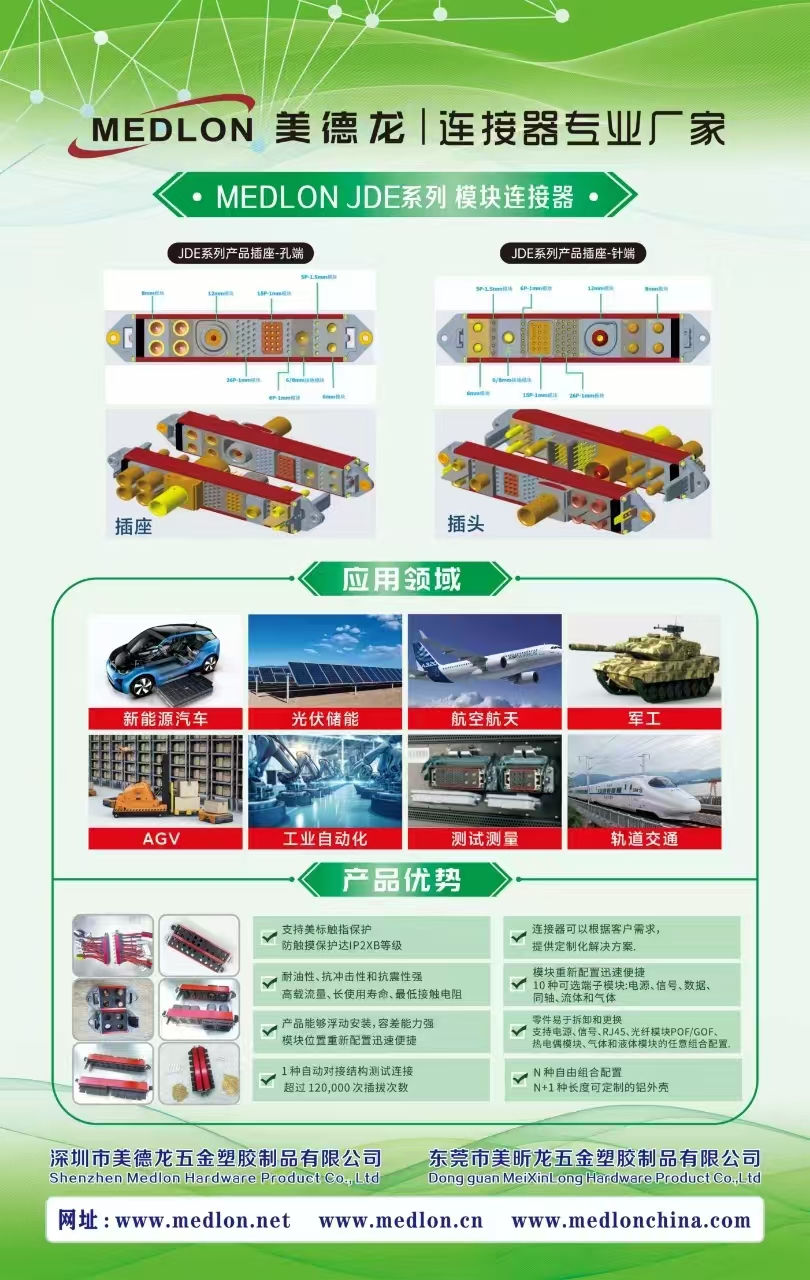
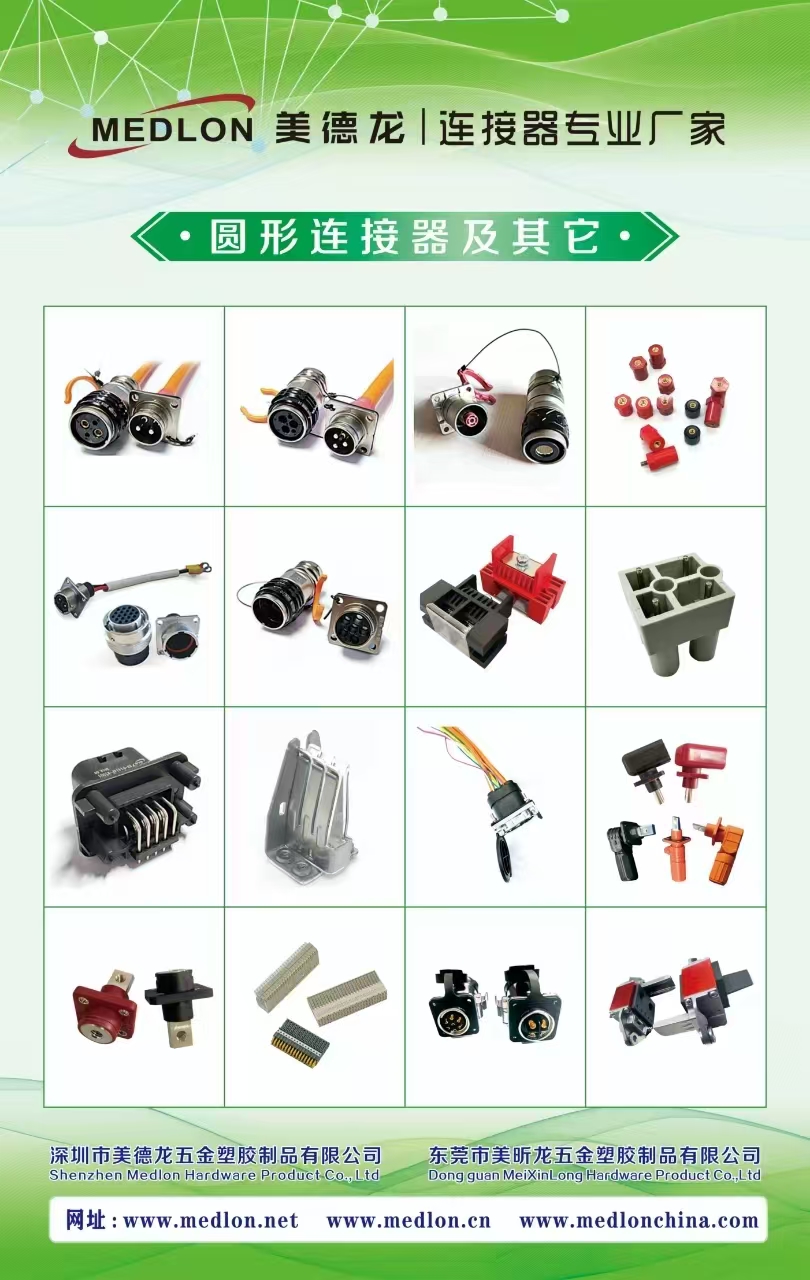
Busbar connectors, on the other hand, are designed to establish robust electrical connections to flat or shaped conductors known as busbars. These connectors are integral to power distribution panels and energy storage systems, where centralized current routing is paramount. Medlon’s expertise in busbar connectors ensures that industrial clients can rely on seamless compatibility and long-term durability.
Distinctive attributes of busbar connectors include:
Busbar connectors are frequently used in electrical substations, large-scale battery storage, and power management systems. They enable the efficient distribution of electricity from a central point to various endpoints, making them indispensable in heavy-duty industrial and infrastructure settings.
The most apparent distinction between power blade connectors and busbar connectors lies in their physical structure and assembly methodology.
While both connector types are engineered for high-current transmission, their electrical performance characteristics differ in:
The installation and maintenance requirements also diverge significantly:
At Medlon, we leverage our deep expertise in connector technology to produce both power blade connectors and busbar connectors tailored to industry needs. Our power blade connectors are celebrated for their precision engineering, adaptability, and safety features. By focusing on advanced materials and manufacturing processes, Medlon ensures that our connectors deliver exceptional electrical performance even in demanding environments.
Medlon’s commitment to innovation is reflected in ongoing R&D investments, close collaboration with global partners, and rigorous quality assurance protocols. Whether you require compact, modular solutions or robust, high-capacity busbar connections, Medlon delivers reliability and performance.
The selection between power blade connectors and busbar connectors depends on key factors such as installation environment, current requirements, and system architecture. Here’s a comparative summary:
| Feature | Power Blade Connectors | Busbar Connectors |
|---|---|---|
| Design | Blade-like, modular | Large contact area, rigid/flexible |
| Current Capacity | Medium to high | High to very high |
| Installation | Quick-connect, modular | Bolted/clamped, stationary |
| Maintenance | Easy, tool-free | Requires tools, less frequent |
| Applications | Data centers, automation | Substations, storage panels |
The rise of renewable energy, electric vehicles, and smart grids has reshaped the requirements for power connectors. As a forward-thinking power blade connector manufacturer, Medlon is at the forefront of integrating intelligent monitoring, advanced thermal management, and rapid-deployment features into our product lines.
Modern power blade connectors and busbar connectors are now expected to support higher reliability, improved safety standards, and seamless integration with digital management systems. At Medlon, we anticipate industry shifts and evolve our designs to meet future demands, ensuring our clients always receive cutting-edge solutions.
Both connector types must adhere to strict international standards for safety, performance, and environmental impact. Medlon’s rigorous certification process guarantees that our connectors not only meet but exceed global benchmarks, instilling confidence in every installation.
Understanding the nuances between power blade connectors and busbar connectors is essential for optimal power system design. Medlon’s experience as a leading power blade connector manufacturer empowers clients to select the right technology for their unique needs, whether prioritizing flexibility, scalability, or raw power delivery. As industries continue to evolve, trust Medlon to provide the expertise, quality, and innovation needed to power the future.
Are you seeking guidance in choosing the best power interconnect for your application? Contact Medlon’s expert engineering team for personalized advice and high-performance connector solutions designed for your success.
Medlon's power blade connectors and busbar connectors form the backbone of many modern electrical systems, offering tailored options for both flexible installations and robust, permanent infrastructures.






 Wechat
 +86-138-288-62712
 Miss Tan
 Whatsapp
 sally@medlonchina.com